Common Nutrition Mistakes After 40 to Avoid
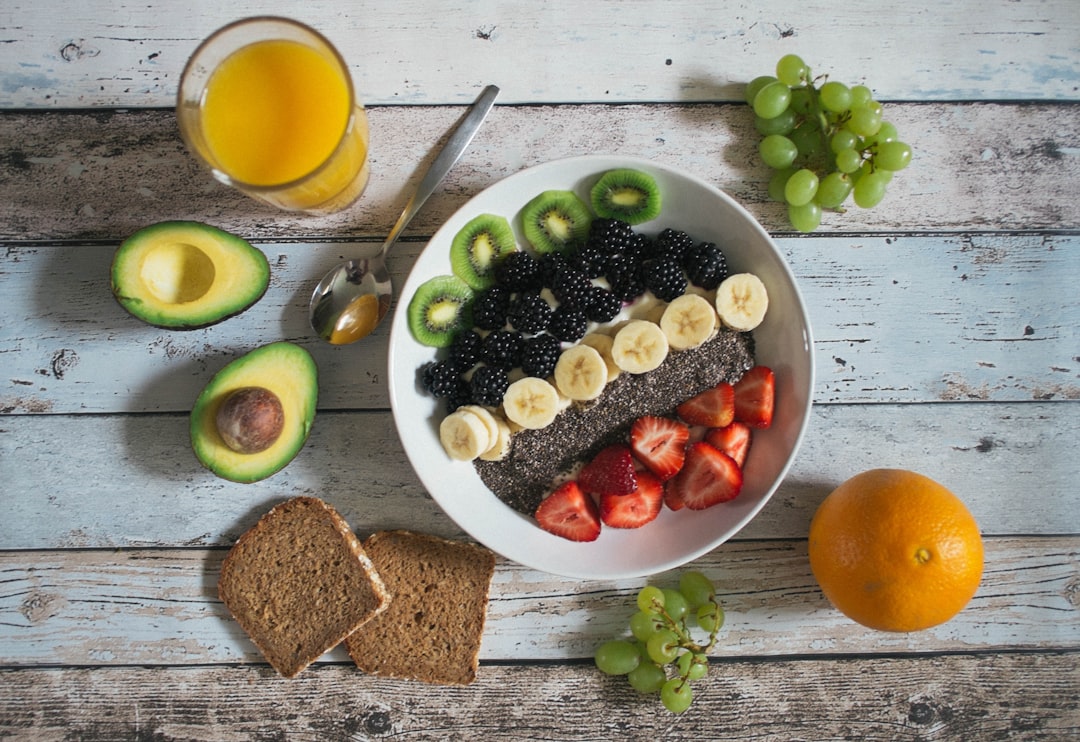
Navigating nutrition after 40 can be challenging, especially with conflicting information and changing bodily needs. Many well-intentioned people make common dietary mistakes that can sabotage their health goals. This article identifies the most frequent nutrition errors and provides practical solutions to help you optimize your diet for vitality and longevity.
Mistake 1: Not Eating Enough Protein
One of the most common mistakes after 40 is inadequate protein intake. As we age, we experience sarcopenia, the gradual loss of muscle mass. Many people, especially women, don't consume enough protein to preserve muscle and support metabolic health.
The solution is to aim for 0.8-1 gram of protein per kilogram of body weight, distributed throughout the day. Include protein at every meal, choosing high-quality sources like lean meats, fish, eggs, Greek yogurt, legumes, and nuts. Don't skip breakfast protein, as it sets the metabolic tone for the day.
Mistake 2: Following Extreme Low-Calorie Diets
Many people over 40 turn to severe calorie restriction to combat weight gain. While this might produce short-term results, it often backfires by slowing metabolism, causing muscle loss, creating nutrient deficiencies, and triggering rebound weight gain.
Instead, focus on moderate calorie reduction of 300-500 calories daily if weight loss is needed. Prioritize nutrient density over calorie counting, eat regular meals to maintain metabolic rate, and include strength training to preserve muscle mass during weight loss.
Mistake 3: Eliminating Entire Food Groups
Extreme elimination diets have become popular, with many people cutting out carbohydrates, fats, or other food groups entirely. Unless you have a medical condition requiring specific restrictions, this approach often leads to nutritional imbalances and is difficult to sustain long-term.
The better approach is to include all macronutrients in appropriate proportions. Choose quality carbohydrates from whole grains, fruits, and vegetables. Include healthy fats from nuts, seeds, avocados, and olive oil. Focus on balance and variety rather than elimination.
Mistake 4: Skipping Meals
Many people skip meals, especially breakfast, thinking it will help with weight management. However, this can lead to blood sugar instability, increased hunger later, poor food choices due to extreme hunger, and slowed metabolism over time.
Eat regular, balanced meals every 3-5 hours. Start with a protein-rich breakfast within an hour of waking. Plan healthy snacks if more than 5 hours pass between meals. Listen to hunger cues but maintain a consistent eating schedule.
Mistake 5: Not Drinking Enough Water
Dehydration becomes more common with age as thirst signals diminish. Many people mistake thirst for hunger, leading to unnecessary snacking. Inadequate hydration affects metabolism, digestion, skin health, and cognitive function.
Aim for at least 8 glasses of water daily, more if physically active. Start your day with water before coffee. Keep water accessible throughout the day. Eat water-rich foods like fruits and vegetables. Limit dehydrating beverages like excessive coffee or alcohol.
Mistake 6: Relying Too Heavily on Supplements
While supplements have their place, many people use them as a substitute for a healthy diet. Supplements cannot replicate the complex nutrients and beneficial compounds found in whole foods. Over-supplementation can also cause imbalances or interactions with medications.
Focus on food first, using supplements only to fill specific gaps. Get most nutrients from a varied, whole-food diet. Consult healthcare providers before starting supplements. Choose quality supplements when needed. Regular blood work can identify true deficiencies.
Mistake 7: Ignoring Portion Sizes
Even healthy foods can contribute to weight gain when consumed in excessive amounts. After 40, calorie needs typically decrease, making portion control more important. Many people underestimate their portion sizes, especially when eating out or snacking.
Use smaller plates to naturally reduce portions. Measure portions initially to calibrate your eye. Pay attention to hunger and fullness cues. Avoid eating directly from packages. Be especially mindful with calorie-dense healthy foods like nuts, oils, and avocados.
Mistake 8: Not Prioritizing Fiber
Fiber intake often decreases with age, yet it becomes even more important for digestive health, cholesterol management, blood sugar control, and weight maintenance. Many people consume only half the recommended daily fiber intake.
Aim for 25-30 grams of fiber daily from whole grains, fruits, vegetables, legumes, and nuts. Gradually increase fiber intake to avoid digestive discomfort. Drink plenty of water with fiber-rich foods. Choose whole fruits over juices.
Mistake 9: Eating Too Many Processed Foods
Processed foods often contain excessive sodium, added sugars, unhealthy fats, and artificial additives while lacking essential nutrients. Regular consumption can increase inflammation and chronic disease risk.
Cook more meals at home using whole ingredients. Read labels carefully and avoid products with long ingredient lists. When buying packaged foods, choose minimally processed options. Prepare healthy convenience foods in advance for busy days.
Mistake 10: Not Adjusting Diet for Activity Level
Many people eat the same way regardless of their activity level. After 40, if physical activity decreases, calorie needs decrease accordingly. Conversely, increased activity requires adequate fuel and nutrients.
Match calorie intake to activity level. On less active days, reduce portions slightly. On workout days, ensure adequate protein and carbohydrates. Time nutrient intake around exercise for optimal performance and recovery.
Mistake 11: Following Fad Diets
New diet trends constantly emerge, each promising quick results. These often lack scientific support, are difficult to maintain, may cause nutritional deficiencies, and rarely lead to sustainable lifestyle changes.
Instead of following trends, focus on evidence-based nutrition principles. Build a sustainable eating pattern you can maintain long-term. Make gradual changes rather than dramatic overhauls. Seek guidance from qualified nutrition professionals.
Creating Better Nutrition Habits
Avoiding these common mistakes requires awareness and intentional choices. Start by identifying which mistakes you're currently making, then address them one at a time. Small, consistent changes are more effective than dramatic overhauls.
Focus on progress, not perfection. Build a support system of friends, family, or professionals. Keep learning about nutrition specific to your age and health status. Be patient with yourself as you develop new habits.
Conclusion
Nutrition after 40 doesn't have to be complicated, but it does require attention and adjustment. By avoiding these common mistakes and implementing the suggested solutions, you can optimize your diet for energy, health, and longevity. Remember that everyone's nutritional needs are unique, so what works for others may need adjustment for you. Listen to your body, stay informed, and don't hesitate to seek professional guidance when needed.