Heart-Healthy Foods for Your 40s and Beyond
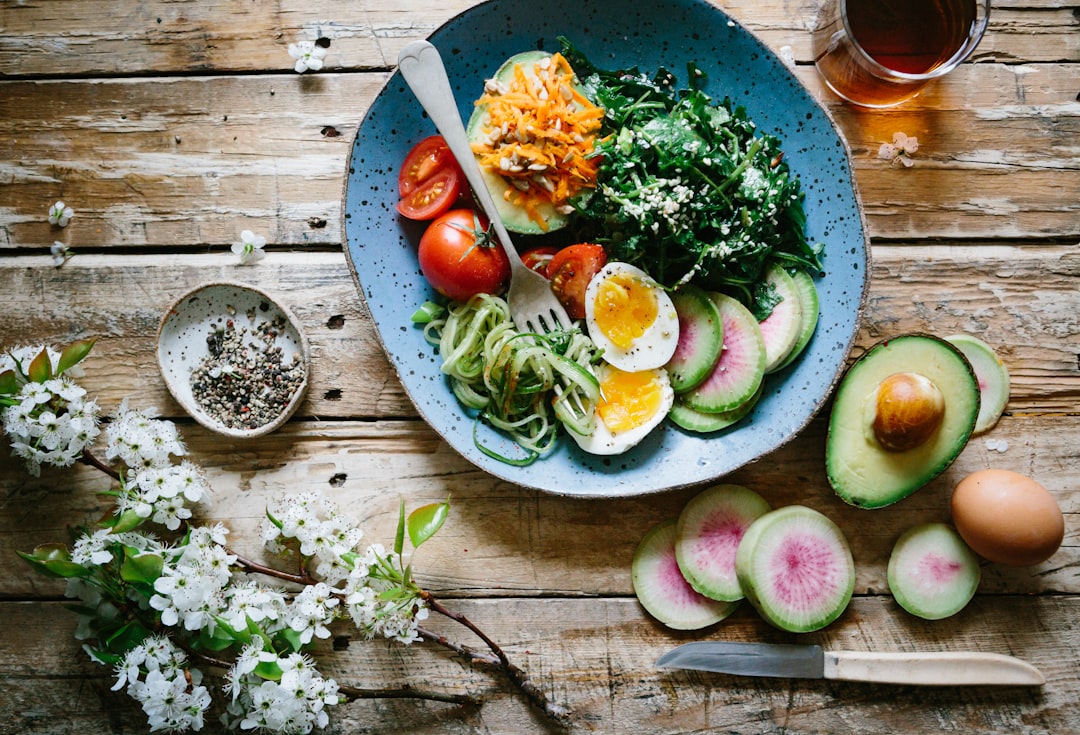
Cardiovascular disease remains the leading cause of death globally, but the good news is that diet plays a crucial role in prevention. After 40, prioritizing heart-healthy foods becomes even more important as risk factors naturally increase. This comprehensive guide explores the best foods for protecting your cardiovascular system and supporting long-term heart health.
Why Heart Health Matters After 40
As we age, several factors increase cardiovascular disease risk. Blood vessels become less flexible, cholesterol levels tend to rise, blood pressure may increase, and inflammation becomes more prevalent. These changes make it essential to adopt a heart-protective diet that addresses these specific concerns.
Research consistently shows that dietary patterns, particularly the Mediterranean diet, can significantly reduce heart disease risk. By incorporating specific heart-healthy foods, you can actively work to protect your cardiovascular system.
Fatty Fish: Omega-3 Powerhouses
Fatty fish like salmon, mackerel, sardines, and herring are among the best foods for heart health. They're rich in omega-3 fatty acids, which reduce inflammation, lower triglycerides, decrease blood pressure, and reduce the risk of heart rhythm abnormalities.
Aim for at least two servings of fatty fish per week, each about 3.5 ounces. Choose wild-caught when possible and vary your selections to minimize mercury exposure while maximizing nutritional benefits. Grill, bake, or poach fish rather than frying to maintain heart-healthy benefits.
Berries: Antioxidant Champions
Blueberries, strawberries, raspberries, and blackberries are packed with anthocyanins and other antioxidants that protect against oxidative stress and inflammation, both key factors in heart disease development.
Studies show that regular berry consumption can improve cholesterol levels, reduce blood pressure, and decrease markers of inflammation. Add fresh or frozen berries to breakfast, snacks, or desserts for a delicious heart-protective boost.
Leafy Green Vegetables: Nutrient Dense Protectors
Spinach, kale, collard greens, and Swiss chard are rich in vitamins, minerals, and antioxidants. They're particularly high in vitamin K, which helps protect arteries and promote proper blood clotting. The nitrates in leafy greens can also help lower blood pressure and improve arterial function.
Aim for at least one cup of leafy greens daily. Add them to smoothies, salads, soups, or sauté as a side dish. The more variety, the better, as different greens provide unique beneficial compounds.
Whole Grains: Fiber for Heart Protection
Whole grains like oats, brown rice, quinoa, and whole wheat contain all parts of the grain, providing fiber, B vitamins, and minerals. The fiber in whole grains helps lower cholesterol levels and improve blood sugar control, both important for heart health.
Replace refined grains with whole grain alternatives. Start your day with oatmeal, choose brown rice over white, and select whole grain bread and pasta. Aim for at least three servings of whole grains daily.
Nuts: Small but Mighty Heart Protectors
Almonds, walnuts, pistachios, and other nuts are rich in unsaturated fats, fiber, protein, and various vitamins and minerals. Regular nut consumption has been linked to lower cholesterol levels, reduced inflammation, and decreased heart disease risk.
Enjoy a small handful of nuts daily, about one ounce. Choose unsalted varieties and avoid those with added sugars or excessive oils. Walnuts are particularly beneficial due to their high omega-3 content.
Legumes: Plant-Based Protein with Benefits
Beans, lentils, chickpeas, and peas provide protein, fiber, and various minerals without the saturated fat found in many animal proteins. Their high fiber content helps lower cholesterol, while their potassium helps regulate blood pressure.
Include legumes in meals several times per week. Add them to soups, salads, or as main dishes. They're economical, versatile, and incredibly beneficial for heart health.
Avocados: Healthy Fats for Heart Health
Avocados are rich in monounsaturated fats, the same type found in olive oil. These healthy fats can help lower bad cholesterol while raising good cholesterol. Avocados also provide potassium, which is crucial for blood pressure regulation.
Add sliced avocado to salads, sandwiches, or enjoy as guacamole. While nutritious, avocados are calorie-dense, so practice portion control, typically one-quarter to one-half avocado per serving.
Dark Chocolate: A Delicious Heart Protector
Dark chocolate with at least 70% cocoa content contains flavonoids that can improve heart health by lowering blood pressure, improving blood flow, and reducing inflammation. The key is moderation and choosing quality dark chocolate.
Enjoy a small square of dark chocolate, about one ounce, several times per week. Choose varieties with minimal added sugar and avoid milk chocolate, which contains less cocoa and more sugar.
Olive Oil: The Mediterranean Secret
Extra virgin olive oil is a cornerstone of the Mediterranean diet and one of the healthiest fats available. It's rich in monounsaturated fats and antioxidants that reduce inflammation and protect against heart disease.
Use olive oil as your primary cooking oil and for salad dressings. Choose extra virgin varieties for maximum antioxidant content. While healthy, it's still calorie-dense, so use in moderation.
Tomatoes: Lycopene for Heart Protection
Tomatoes are rich in lycopene, a powerful antioxidant that has been linked to reduced heart disease risk. Lycopene helps prevent oxidation of LDL cholesterol and may help lower blood pressure.
Interestingly, cooked tomatoes provide more bioavailable lycopene than raw ones. Enjoy tomato sauce, soup, or paste alongside fresh tomatoes for maximum benefits.
Garlic: More Than Flavor
Garlic contains allicin and other compounds that may help lower blood pressure and cholesterol levels. While more research is needed, preliminary studies suggest significant cardiovascular benefits from regular garlic consumption.
Add fresh garlic to cooking for both flavor and potential health benefits. Crushing or chopping garlic and letting it sit for a few minutes before cooking can maximize allicin production.
Green Tea: Antioxidants in Every Cup
Green tea is rich in catechins, antioxidants that may help lower cholesterol and blood pressure. Regular consumption has been associated with reduced heart disease risk in multiple studies.
Enjoy 2-3 cups of green tea daily. Brew at the proper temperature and avoid adding excessive sugar to maintain heart-healthy benefits.
Creating a Heart-Healthy Eating Pattern
Rather than focusing on individual foods, aim to create an overall heart-healthy eating pattern. Build meals around vegetables and fruits, choose whole grains over refined options, include lean proteins like fish and legumes, use healthy fats like olive oil, and limit processed foods, added sugars, and excessive sodium.
Foods to Limit for Heart Health
While focusing on heart-healthy foods, it's equally important to limit foods that can harm cardiovascular health. Reduce or avoid trans fats found in many processed foods, excessive saturated fats from fatty meats and full-fat dairy, added sugars in beverages and desserts, excessive sodium from processed and restaurant foods, and highly processed foods in general.
Conclusion
Protecting your heart through diet doesn't require extreme measures or deprivation. By incorporating these heart-healthy foods into your regular eating pattern and limiting harmful foods, you can significantly reduce your cardiovascular disease risk. Remember that dietary changes work best when combined with other healthy lifestyle habits including regular exercise, stress management, adequate sleep, and not smoking. Start small, make gradual changes, and focus on creating sustainable habits that support your heart health for years to come.